Car dealerships often use flashy promotions like “50% OFF!” or “$10,000 Discount!” to grab your attention. But many of these deals are designed to trick you into thinking you’re saving more than you actually are. Hidden fees, inflated prices, and fake urgency tactics are just a few ways buyers end up paying more.
Here’s what you need to know to avoid falling for deceptive discounts:
- Verify the dealership: Check for a professional website, valid contact info, and clear offer details. Vague or pushy communication is a red flag.
- Confirm the car exists: Always schedule a test drive or in-person inspection. Never pay before seeing the vehicle.
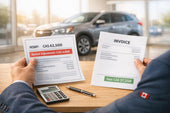
- Check the numbers: Compare the advertised price to the car’s invoice price (what the dealer pays the manufacturer). Use tools like Price Driven for accurate pricing reports.
- Watch for hidden fees: Ask for a detailed breakdown of all charges. Be wary of “market adjustments” and optional add-ons disguised as mandatory costs.
- Don’t rush: High-pressure tactics like countdown timers or “limited stock” claims are often used to discourage comparison shopping.
By staying informed and using transparent pricing tools, you can avoid fake deals and save money. In 2026, Canadian buyers using these strategies saved over $1,200 on average.
Pro Tip: Use free dealer cost reports or pre-negotiated pricing services to simplify your car-buying process and ensure discounts are legitimate.
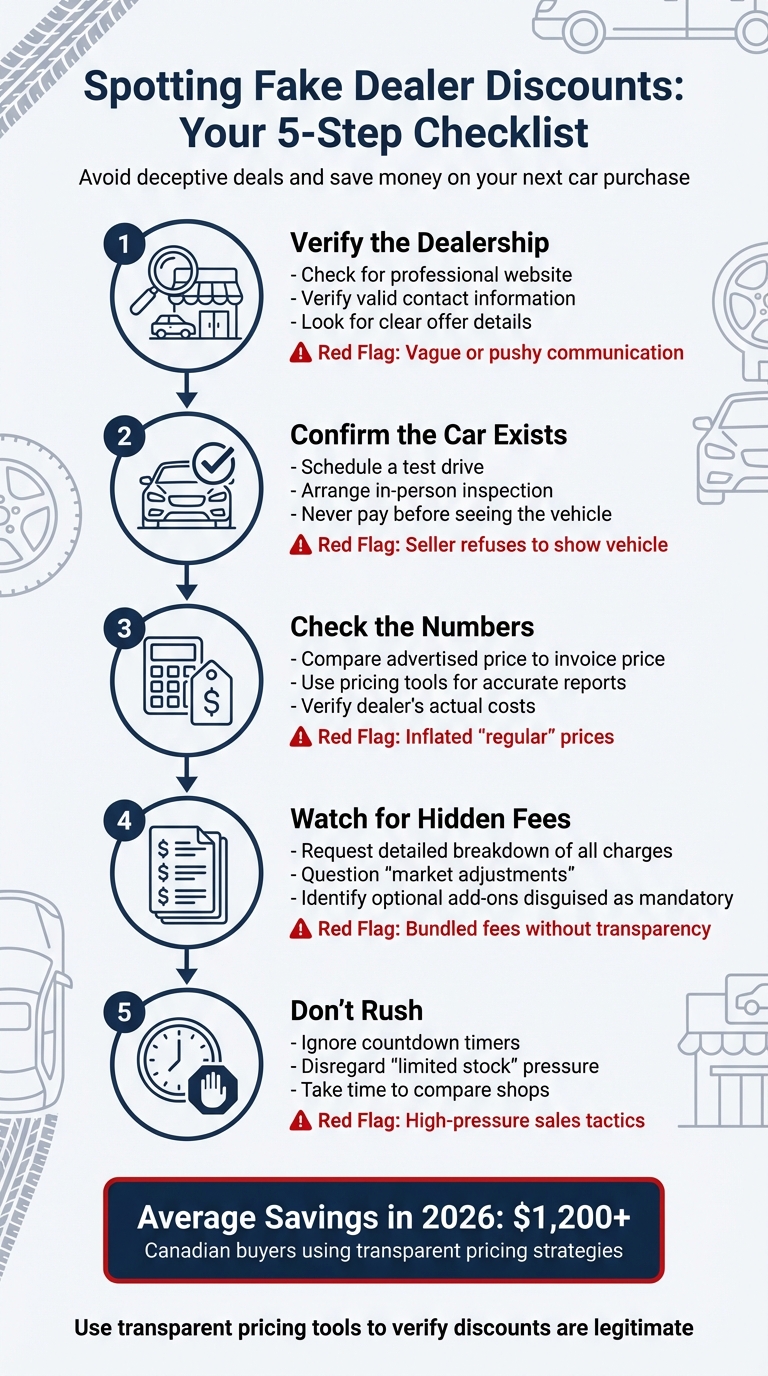
5-Step Checklist to Spot Fake Car Dealer Discounts
🚘 Buying a Car in 2025? Avoid These 13 Common Dealership SCAMS!
How to Identify Fake Dealer Discounts
Spotting a fake dealer discount involves digging into the details - like verifying the source, checking the vehicle's availability, and examining the numbers behind the offer. Start by confirming the dealership's legitimacy. Look for an official website, a professional email domain, and a valid phone number. Legitimate dealers are upfront about their company name, product specifics, and any conditions tied to the offer. If the details seem vague or the seller pushes for urgency, it might be a scam.
Once you're confident the dealership is real, the next step is to ensure the vehicle actually exists. This can be done by scheduling a test drive or arranging an in-person inspection. Be cautious if the seller refuses or insists on payment before you’ve seen the vehicle.
"If a buyer is requesting money first and offering to send the vehicle after, walk away." – CARFAX Canada
After confirming the vehicle’s availability, take a closer look at the discount itself. Compare the advertised price to the vehicle's invoice price - the amount the dealer pays the manufacturer. Keep in mind that dealers often benefit from holdbacks and cash incentives, which lower their actual costs. Tools like Price Driven can provide free discount reports to help you understand the dealer's true pricing.
Finally, validate any rebates or incentives tied to the deal. Cross-check these with official sources, such as government programs like iZEV, to ensure the numbers align with what the dealer claims.
Common Red Flags of Fake Discounts
This section outlines some tell-tale signs that a deal might not be as great as it seems.
High-Pressure Sales Tactics
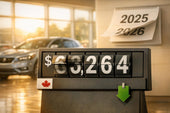
Aggressive sales tactics often point to underlying issues. Dealerships frequently create a false sense of urgency with tactics like "limited time" offers or countdown timers that mysteriously reset after the deadline passes. Salespeople might claim, "Only 2 left in stock" or mention that "other shoppers are eyeing this vehicle" to push you into a quick decision. These strategies are designed to discourage comparison shopping and keep prices high. If you feel rushed or pressured, consider it a red flag.
Unrealistically Large Discounts
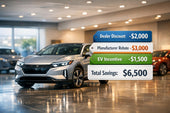
If a discount feels too good to be true, it probably is. Some dealers inflate the "regular" price to create the illusion of bigger savings. The Competition Bureau Canada warns, "A price cannot be referred to as the ordinary or regular price when it is inflated to create the illusion of offering a better deal". For example, if a vehicle was never actually sold at the MSRP used to calculate your "savings", the discount is misleading. Be especially cautious of discounts that drop far below the invoice price unless there are clear, manufacturer-backed rebates.
Hidden Fees and Charges
Even if the discount looks appealing, hidden fees can quickly eat into any savings. Dealers often tack on "market adjustments", which are essentially profit markups that can erase the advertised discount. Other charges, like documentation fees, nitrogen-filled tires, or window etching, are often negotiable but are presented as mandatory. While legitimate fees like freight, PDI (Pre-Delivery Inspection), tire stewardship fees, and AC tax are unavoidable, many additional line items can be reduced or removed. Always ask for a detailed, itemized breakdown of every charge. If a dealer refuses to explain certain costs or bundles fees together without transparency, it’s a clear sign the discount may not be as genuine as it seems.
sbb-itb-20f5d75
Using Transparent Pricing Tools to Avoid Fake Discounts
Transparent pricing tools are designed to cut through the confusion around car pricing by showing both the invoice price and the Manufacturer's Suggested Retail Price (MSRP). Think of the invoice price as the bottom line and the MSRP as the ceiling. With these numbers in hand, you can easily verify if a discount is legitimate or just a marketing gimmick.
These tools also compare local market data to identify inflated discounts. For instance, a dealer may claim a $5,000 discount, but if local transaction prices are still higher, that "deal" might be padded with hidden fees. It's also essential to confirm that any advertised rebates are real and not just a bait-and-switch tactic. With this information, you can access detailed reports and even explore pre-negotiated pricing options.
Access Free Discount Reports
Price Driven uses these tools to give you an edge in negotiations. They offer free dealer cost reports that break down the invoice price, MSRP, and mandatory charges like freight, PDI, and air conditioning tax. These reports reveal the true drive-away price, so you're fully prepared before entering a dealership. Just make sure the report matches the exact specifications of the vehicle you're considering, as invoice prices can vary widely depending on the model and options. Once you’ve got the report, download it as a PDF and bring it along for negotiations.
Use Pre-Negotiated Pricing
If you want to skip the back-and-forth entirely, pre-negotiated pricing can be a game-changer. For $99.00, Price Driven connects you with partner dealerships that have already agreed to transparent, fixed discounts. As of 2026, customers using this service saved an average of over $1,200. Since the prices are pre-vetted, you won’t have to double-check the discounts or deal with high-pressure sales tactics. This method is especially effective at the end of a month or quarter, when dealerships are motivated to hit sales targets and may offer genuine below-invoice prices.
Conclusion
Being able to spot fake dealer discounts not only shields you from buyer's remorse but also ensures you make informed decisions when purchasing a car. By learning to identify inflated regular prices, fake urgency tactics, and hidden market adjustments, you can confidently avoid falling for unfair deals. As Unhaggle wisely states:
"The most valuable tool you can have when negotiating with a car dealer is knowledge, so that you can recognize a bad deal and walk away from it."
Regulatory actions further emphasize the seriousness of deceptive pricing practices. For example, in December 2024, The Dufresne Group faced a $3.25 million penalty for misleading marketing claims, while Hudson's Bay paid $4.5 million after an investigation into their pricing and discount strategies. These cases highlight that fake discounts aren’t just unethical - they can also violate the Competition Act.
To combat such tactics, Price Driven offers transparent pricing tools that simplify the car-buying process. With free dealer cost reports and pre-negotiated pricing available for $99.00, these tools remove the guesswork. On average, customers saved over $1,200 as of 2026, proving that real savings are possible without relying on inflated discounts.
Use your checklist as a guide during negotiations. Scrutinize every offer, and if you encounter warning signs like countdown timers that mysteriously reset or aggressive sales tactics, trust your instincts and walk away. Genuine deals won’t disappear - they’ll still be there when you’re ready to make your purchase.
FAQs
How can I tell if a car dealership is trustworthy?
To figure out if a car dealership is reliable, start by examining their online presence. A trustworthy dealership will usually have a professional website that displays an up-to-date inventory along with authentic customer reviews. Additionally, they should be licensed, accredited by recognized Canadian industry organizations, and offer clear pricing that includes all fees and incentives.
Other signs of reliability include a clean, well-maintained physical location, a diverse range of vehicles, and staff who are willing to answer your questions without pressuring you into making a fast decision. Take time to dig into their reputation by reading online reviews, confirming their business registration, and visiting the dealership to get a feel for their operations. Be cautious of dealerships that have inconsistent reviews, vague pricing details, or use aggressive sales tactics.
What hidden fees should I watch for when buying a car in Canada?
When purchasing a car in Canada, it’s crucial to keep an eye out for hidden fees that can sneakily add to the overall price. A common example is documentation or administration fees, which usually fall between $300 and $800. These cover things like paperwork, licensing, and registration. Another frequent charge is the freight and pre-delivery inspection (PDI) fees. While these are often included in the sticker price, they can sometimes be inflated or not clearly outlined.
Other fees to be aware of include advertising fees, tire levies, and optional extras like extended warranties or protection packages offered during the sales process. Some dealerships might also tack on unexpected costs, such as market adjustments or optional services, after providing the initial quote.
To avoid unpleasant surprises, always ask for a detailed breakdown of all fees. Make sure the advertised price includes mandatory charges, as required by Canada’s all-in pricing laws. Staying informed about these potential costs can help you negotiate more effectively and steer clear of overpaying.
How can transparent pricing tools help spot fake dealer discounts?
Transparent pricing tools simplify the process of identifying fake dealer discounts by providing access to accurate invoice pricing and dealer costs. With this information, you can compare the advertised discount to the actual cost, making it easier to tell if the savings are legitimate or just inflated to look better.
These tools help you zero in on real deals, saving you from wasting time on misleading offers. In the end, they ensure you’re getting the best value when buying a new car in Canada.